
GOVERNMENT LIABILITY
Understanding Government Liability in California
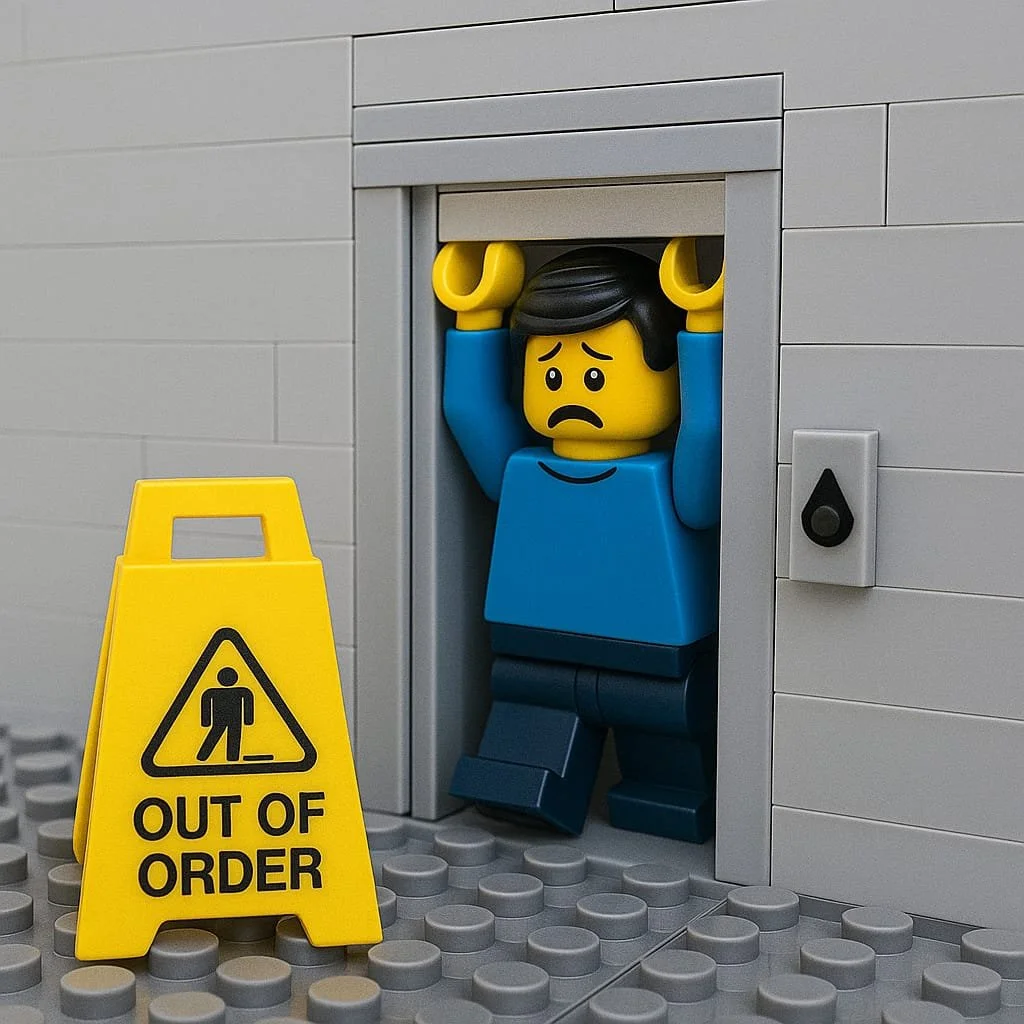
Government liability occurs when a public entity is held legally responsible for harm caused by its actions, omissions, or the negligence of its employees . These claims often involve dangerous conditions on public property, such as poorly maintained streets, sidewalks, or public buildings, and vehicle accidents where the public/government entity owns, manages, or monitors the vehicle and its operation such as public buses.
Key Aspects of Public Entity Claims:
Strict Notice Requirements: California law requires claimants to file a formal administrative notice with the government entity within a very short timeframe—often six months—before a lawsuit can be initiated.
Limitations on Damages: While compensatory damages are available, punitive damages are generally prohibited in claims against public entities.
Procedural Complexity: Litigating against the government involves unique rules, mandatory procedural requirements, and extensive documentation. It’s essential to understand applicable laws.
Aggressive Litigation: Because public entities often have significant resources to defend claims, aggressive litigation and meticulous preparation are essential to securing a fair outcome.
The Importance of Timely Action
Due to the exceptionally short statutes of limitations associated with government liability, immediate legal consultation is necessary to prevent the permanent loss of the right to seek recovery.
For assistance navigating government liability claims, it is critical to consult experienced legal counsel to ensure compliance with procedural requirements and to protect your rights effectively.
At Doust Law we are experienced in handling government claims. We are committed to fighting for justice and fair compensation for you while you focus on recovering your health. Contact us to schedule a free consultation and discuss your case in detail. Contact us promptly to ensure your claim is protected and your best interests are represented.
Frequently Asked Questions
-
Unlike standard personal injury cases with a two-year limit, the California Tort Claims Act generally requires you to file a formal administrative notice with the responsible government entity within six months of the incident. Missing this deadline in most cases can permanently bar your right to compensation. We ensure your government claim is filed accurately and on time to protect your legal rights.
-
Yes, but you must prove the existence of a "dangerous condition of public property." This involves showing that the sidewalk was in an unsafe state, the government had "notice" of the hazard (or should have known), and they failed to repair it. At Doust Law, we specialize in premises liability cases involving poorly maintained public streets, parks, and buildings.
If you were injured due to a hazard on public land, contact us for a free case evaluation to discuss your options.
-
Claims involving government-owned vehicles follow strict procedural rules. You can hold the public entity liable for the negligence of its employees acting within the "scope of employment." We handle the complex Expert Liability Investigations needed to secure evidence from transit authorities and municipal departments.
-
To be legally valid, your claim must include your contact information, a detailed statement of the date/place/circumstances of the incident, a description of your injuries, and the names of the public employees involved (if known). Even a small technical error can lead to a rejection. We meticulously drafts these claims to satisfy all statutory requirements. Contact Doust Law to schedule your free consultation.
-
The government typically has 45 days to respond. They may accept the claim, reject it, or allow it to be "rejected by operation of law" if they don't respond. If rejected, you often have only six months from the date of the rejection notice to file a lawsuit in court. We provide aggressive litigation to ensure your case moves forward even if the government denies responsibility. Contact Doust Law for an immediate case review.
-
Accidents involving the U.S. Postal Service (USPS) are unique because they are governed by the Federal Tort Claims Act (FTCA), not California state law. To successfully navigate a USPS claim, you must follow a strict federal process:
The 2-Year Administrative Rule: Unlike California's 6-month rule for local agencies, you generally have two years from the date of the accident to file a formal administrative claim directly with the USPS.
The "Sum Certain" Requirement: Your claim must include a "sum certain"—a specific total dollar amount for your damages. Failure to provide this exact figure can result in an automatic denial of your claim.
Mandatory 6-Month Waiting Period: Once your claim is filed, the federal government has six months to investigate and respond. You cannot file a lawsuit in court until this administrative process is "exhausted" or the agency denies your claim in writing.
Federal Court Jurisdiction: If the USPS denies your claim or fails to settle, your case must be filed in a U.S. District Court, where a federal judge (not a jury) will decide the outcome.
Filing against the federal government requires precision; contact Doust Law for a free case evaluation to ensure your claim meets all federal standard.
-
Accidents involving emergency vehicles are complex because these entities often claim "Emergency Immunity." However, this immunity is not absolute. We help you navigate these claims by evaluating the following:
The Mission Status: Immunity typically only applies if the vehicle was responding to an actual emergency call or "mission." By analyzing the dispatch logs, it will be determined if the driver was truly on a high-priority call or simply returning to the station.
Compliance with Warning Signals: Under California law, emergency drivers must generally use an audible siren and display a lighted red lamp to be exempt from standard traffic laws. If the driver failed to activate these signals, the immunity defense may fail.
The "Duty of Care" Standard: Even with sirens and lights on, drivers are not shielded from "arbitrary exercise of privileges" or reckless disregard for the safety of others. By evaluating the evidence—such as dashcam footage or witness statements—it can be proved that the driver acted with negligence beyond the scope of their legal protections.
Government Entity Liability: If immunity is waived due to a failure to follow legal requirements, the specific public entity (City, County, or State) will be held accountable for the negligence of their employees.
If you were injured by an emergency vehicle, schedule a free consultation to protect your rights.
-
Immediate Statutory Compliance: We prioritize the "6-month rule" by immediately preparing and filing the required administrative notice with the correct government entity. This prevents the permanent loss of your right to seek recovery due to missed deadlines.
Evidence-Based Liability Analysis: We analyze the evidence provided—such as photographs of the scene, witness contact information, and video footage—to document a "dangerous condition of public property" under California law. We build a strategic case to prove the government entity had actual or constructive notice of the hazard.
Public Entity Discovery: During the litigation phase of the case, if not settled prior to filing a lawsuit, we utilize formal discovery processes to obtain internal government communications, transit logs, and employee training records. This ensures we have the evidence needed to hold public departments accountable for the negligence of their staff and for their own negligence in hiring, training, retention, or supervision of their employees.
Zero Upfront Costs: You don't pay us a dime unless we win your case. At Doust Law, our legal advocacy is provided on a contingency fee basis, meaning we only get paid if we successfully recover a settlement or verdict for you.
You can reach us anytime via our contact page or call us now at (424) 333-6220 to schedule your free case evaluation today.
